
Donating blood is a deeply altruistic act that saves lives across the UK, from emergency rooms to patients undergoing chronic treatments https://allesspitze.eu.com/. The process, while simple and safe, temporarily diminishes the body’s resources, making proper recovery essential for the donor’s health. This article provides a detailed, practical guide to post-donation care, ensuring donors feel their best after their vital contribution. Separately, we explore the concept of ‘giving back’ through the lens of the popular online slot game, Alles Spitze. While gaming is a form of entertainment, understanding responsible gaming and how some platforms support charitable initiatives can add a reflective dimension to the experience, aligning with the spirit of community support exemplified by blood donors nationwide.
Grasping the Blood Donation Procedure
Before exploring recovery, it’s helpful to comprehend what the body experiences during a typical blood donation in the UK. A standard donation collects around 470ml of blood, which is roughly 8% of the typical adult’s total blood volume. The body begins compensating for this loss right away. Plasma, the liquid component of blood, is replenished within 24-48 hours, while red blood cells take several weeks to fully regenerate, thanks to the body’s generation of new cells in the bone marrow. The physical donation takes only 5-10 minutes, but the entire appointment, including registration, health screening, and post-donation refreshments, commonly takes about an hour. This effective process, handled by NHS Blood and Transplant and other services, is structured to be as comfortable and safe as possible for each donor.
Pre-Donation Preparation

A successful recovery commences even before the needle is placed. Donors are encouraged to ensure they are well-hydrated in the days leading up to their appointment and to drink an extra 500ml of water or a non-alcoholic beverage immediately before donating. Eating a balanced meal within three hours before donation is essential to keep blood sugar levels and avoid light-headedness. It’s also recommended to refrain from vigorous exercise immediately before and after donating. Wearing easy clothing with sleeves that can be readily rolled up above the elbow is a simple yet useful tip. Ensuring you have a acceptable form of ID and have read the pre-donation information completes the preparation, preparing for a smooth experience.
Instant Post-Donation Care at the Center
The first phase of recovery happens directly at the donation centre. Staff will instruct you to rest for at least 15 minutes while having complimentary refreshments. This is not just a courteous gesture; it’s a vital safety step. The fluid intake helps replace lost volume, and the snack aids balance blood sugar levels. You should refrain from standing up too quickly to prevent a sudden drop in blood pressure. If you experience any dizziness, tingling, or unusual sensations, inform a member of staff immediately—they are prepared to assist. Only when you are completely steady and well should you exit the rest area. This attentive aftercare is a foundation of the UK’s donation system.
Key Recovery Steps in the First 24 Hours
The hours following your donation are vital to a quick and smooth recovery. Consuming plenty of fluids, notably water or fruit juice, is critical to help your body replace the lost plasma. Refrain from alcohol for the rest of the day, as it can contribute to dehydration and dizziness. It’s also advisable to avoid strenuous activities, heavy lifting, or intense gym sessions for at least 24 hours to enable your body to direct its energy on regeneration. If your job includes physical labour or operating machinery, discuss this with the donation staff; they may recommend scheduling your appointment for the end of your working day. Listening to your body and resting if you feel tired is the finest policy.
- Rehydrate Diligently: Strive to drink an extra 1.5 to 2 litres of fluids over the next 24 hours, in addition to your normal intake.
- Nourish Your Body: Consume regular, iron-rich meals. Lean red meat, pulses, dark leafy greens, and fortified cereals are excellent choices.
- Protect the Donation Site: Leave the plaster on for several hours and avoid heavy pressure on the arm. If bleeding occurs, use firm pressure and raise your arm.
- Monitor Reactions: While rare, call NHS 111 or the donation centre if you suffer from prolonged dizziness, bleeding that doesn’t stop, or signs of infection.
Nutrient Support for Replenishing Iron and Energy
Iron is a key component of haemoglobin, the protein in red blood cells that carries oxygen. Donating blood depletes iron from the body, so focusing on iron-rich foods post-donation promotes the efficient production of new red blood cells. There are two types of dietary iron: haem iron (from animal sources like red meat, poultry, and fish) which is easily absorbed, and non-haem iron (from plant sources like lentils, beans, spinach, and fortified breakfast cereals). To enhance the absorption of non-haem iron, eat these foods with a source of vitamin C, such as a glass of orange juice, tomatoes, or bell peppers. Conversely, limit drinking large amounts of tea or coffee with meals, as tannins can block iron absorption.
Essential Nutrients for Recovery
Beyond iron, several other nutrients play supporting roles in blood cell regeneration and overall recovery. Folate (or folic acid) and vitamin B12 are vital for the production and maturation of healthy red blood cells; sources include eggs, dairy products, and leafy greens. Vitamin C, as mentioned, facilitates iron absorption and is also critical for tissue repair. Protein provides the building blocks for new cells, so including lean meats, fish, eggs, dairy, or plant-based proteins like tofu and quinoa in your meals is advantageous. A nutritious, varied diet in the days following donation is the most efficient way to ensure you obtain this broad spectrum of nutritional support.
Physical Activity and Recovery Following Giving Blood
Achieving the right balance between movement and rest is vital. While full bed rest isn’t necessary, it is firmly suggested to avoid strenuous physical exertion for the remainder of the blood donation day. Gentle activities such as walking are completely fine and can even promote circulation. On the following day, you can progressively get back to your usual exercise routine, but listen to how you are feeling. If you notice unexpected breathing difficulty, vertigo, or fatigue, take a break. Endurance athletes or those in heavy training should schedule blood donations during less intense training cycles and allow extra rest time. Remember, your body is using energy to restore its blood supply, so providing it enough rest is a form of respect for the amazing gift you’ve just donated.
The Philosophy of Giving Back: From Charitable Acts to Leisure
The act of blood donation symbolizes the truest form of philanthropy—a unmediated, altruistic offering to the community’s health with no expectation of return. This spirit of contributing to a greater good can be seen in other areas of life, including certain approaches within the leisure sector. For instance, some online gaming sites and slot games, like Alles Spitze Slot, work within a framework that stresses responsible play and, in some cases, community involvement. While playing slots is primarily a leisure activity, choosing platforms that promote safe limits and aid charitable causes can allow individuals to reconcile their recreation with a wider sense of social duty, albeit in a very different way to the life-saving act of blood donation.
Alles Spitze Slot: An Example of Themed Gaming
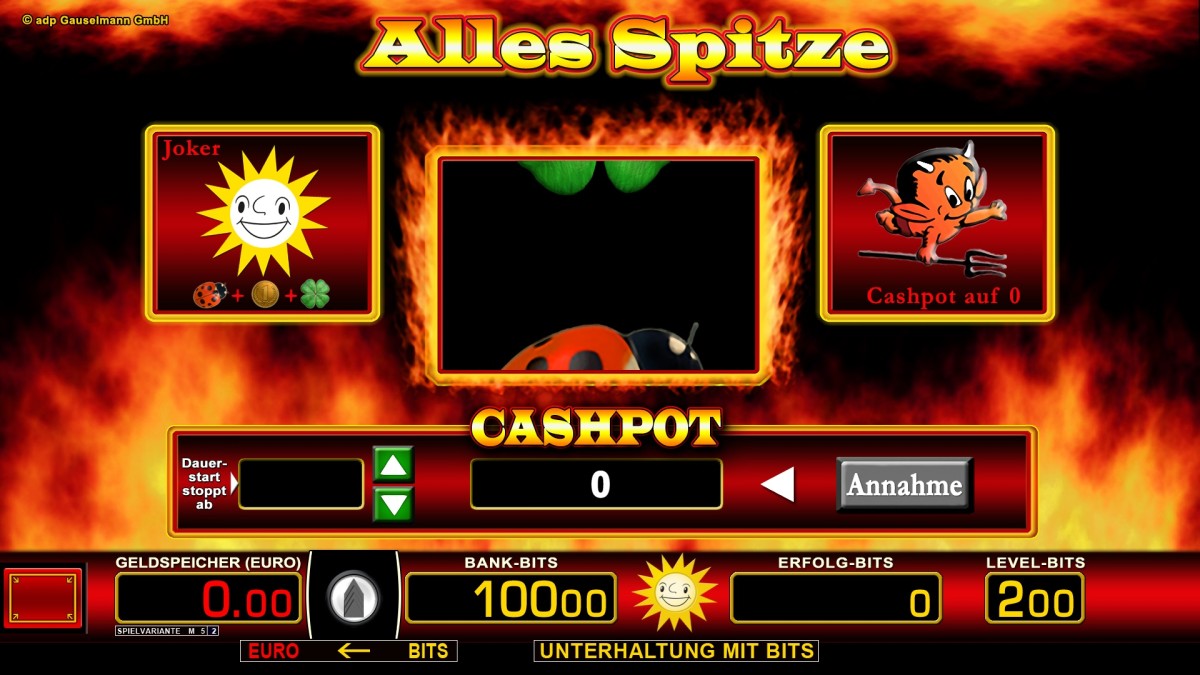
Alles Spitze Slot is an online casino game that uses a traditional, fruit-machine look with a German-language name meaning “All Top” or “All Excellent.” As a digital slot game, its primary purpose is entertainment, offering players a simulated experience with spinning reels and potential bonus features. It is vital for players in the UK to understand that such games are forms of gambling and should be participated in exclusively for fun, within pre-set limits, and through licensed providers that enforce age verification and promote responsible gambling tools. The connection to ‘giving back’ is not innate to the game itself but can be demonstrated in a player’s mindful method and in opting for operators who donate to charitable trusts that address gambling-related issues.
Identifying and Managing Uncommon Reactions
The majority of people feel fine after donating, but it’s crucial to be mindful of possible delayed reactions. Being a bit weary is normal, but more significant fatigue or weakness should be handled with extra rest. Certain donors may develop bruising (a haematoma) around the needle site; this is typically harmless and will subside like any bruise. Placing a cold pack initially can lessen swelling. In highly uncommon cases, individuals might experience lightheadedness hours later. If this happens, rest immediately with your legs elevated to improve blood flow to the brain. If symptoms are severe, persistent, or if you have questions about nerve irritation or infection at the puncture site, get medical advice quickly from NHS 111 or your GP.
Social and Social Obligation in the Britain
In the UK, the culture of contributing is robust, including solo volunteers, large-scale charity events, and CSR initiatives. Blood giving services are a prime example of a country-wide community effort. In the same way, many UK-based gaming operators are required by their licence terms to donate a percentage of their revenue to bodies that support investigation, education, and treatment for gambling addiction. This establishes a kind of mandated ‘giving back’ within the field. For the conscientious individual, be it they are a blood giver or a casual player, the key thing is to support organisations and services that demonstrate a real dedication to responsible conduct and positive social impact, guaranteeing their activities support, rather than harm, community wellbeing.
FAQs
This section covers frequent questions concerning blood donation recovery and touches on concepts of responsible entertainment, providing straightforward, brief responses to help individuals manage both topics safely and knowledgeably.
How often can I safely give blood in the UK?
In the UK, men can donate blood every 12 weeks (approximately three times a year), and women can donate every 16 weeks (approximately three times a year). This period allows enough time for your iron levels and red blood cell count to recover. NHS Blood and Transplant closely tracks donation frequency and performs a pre-donation health check at every appointment to ensure it is safe for you to give blood on that day.
May I consume alcohol after donating blood?
It is highly recommended to refrain from alcohol for the rest of the day you give blood. Alcohol can cause dehydration, which may exacerbate feelings of dizziness or light-headedness. It can also lower your blood pressure. Focusing on non-alcoholic, hydrating fluids like water, squash, or fruit juice is the most effective method to assist your body’s recovery process in the first 24 hours.
What is the link between slot games like Alles Spitze and ‘giving back’?
The straightforward association is not with the specific game, but with the operational framework of licensed UK gambling platforms. The UK Gambling Commission mandates licensed operators to contribute to the prevention and treatment of gambling harms through mandatory donations to institutions like GambleAware. Therefore, while playing a slot game is a personal leisure choice, doing so on a UK-licensed site means a portion of the operator’s revenue is channelled towards charitable causes, as part of their legal duties to protect players and the community.
Exist any long-term health effects from regular blood donation?
For healthy individuals, regular blood donation is not linked to any long-term adverse health effects. In fact, some studies suggest potential benefits, such as preserving healthy iron levels in some individuals and giving a minor, regular health check. The human body is highly skilled at renewing its blood supply. The donation service’s thorough evaluations at every session are designed to guarantee that regular donation stays safe for each individual donor over time.